Smart Devices
Last Updated
Dec 12, 2025
Finding the Best Peptide for Longevity: An Evidence-Based Guide
If you're reading this, you likely share my deep-seated curiosity about not just living longer, but living better. For years, I've navigated the complex world of health optimization, guided by a simple principle: use data, not dogma. This personal journey led me from tracking basic biometrics with my Oura ring to exploring advanced interventions, eventually bringing me to the fascinating and often misunderstood realm of peptides.
The term 'peptide' is everywhere, but what does it really mean for longevity? Based on available health information, peptides are short chains of amino acids, the building blocks of proteins, that act as powerful signaling molecules in the body. They are not a magic bullet, but rather precision tools that can target specific biological pathways involved in aging, from immune function and tissue repair to hormonal balance and cellular energy. My own exploration began with skepticism, driven by the need for rigorous evidence.
I've learned that the best peptide for longevity isn't a single compound. Instead, it’s the one that best aligns with an individual's unique biology, specific goals, and personal risk tolerance. This article is a culmination of that research, designed to be the professional, evidence-forward guide I wish I had when I started. We will move beyond the hype to dissect the mechanisms, benefits, and critical safety considerations for some of the most promising peptides in the longevity space.
This is not medical advice. Think of it as a personal framework to help you have a more informed, productive conversation with your healthcare provider. It's about empowering you with the knowledge to understand if, and how, these powerful molecules might fit into your comprehensive, data-driven healthspan strategy.
NAD+ Boosting Peptides (TA-65, Epitalon)
Among the most fundamental approaches to cellular aging, peptides that influence NAD+ levels and telomere length stand out. Health sources indicate that Nicotinamide adenine dinucleotide (NAD+) is a critical coenzyme found in every cell, essential for energy metabolism and DNA repair. As we age, NAD+ levels naturally decline, contributing to many age-related hallmarks. Peptides like TA-65 and Epitalon target the core machinery of cellular aging, making them a compelling consideration for any longevity protocol.
TA-65 is a purified extract from the Astragalus membranaceus plant that functions as a telomerase activator. Telomerase is an enzyme that helps maintain or even lengthen telomeres, the protective caps at the ends of our chromosomes that shorten with each cell division. Shortened telomeres are a primary driver of cellular senescence and aging. By activating telomerase, TA-65 aims to slow this process.
Epitalon is a synthetic tetrapeptide (made of four amino acids) developed in Russia. Similar to TA-65, its primary researched mechanism is stimulating telomerase production, which in turn helps preserve telomere length. Russian studies on elderly subjects have suggested benefits including improved immune function, better sleep-wake cycles, and reduced mortality rates over a multi-year follow-up period. These peptides are considered a potential best peptide for longevity because they directly address cellular decay.
Practical Implementation & Key Considerations
Successfully integrating these peptides requires a long-term strategy and careful monitoring. They are not a quick fix; benefits typically emerge over many months of consistent use.
Synergistic Stacking: Combine TA-65 or Epitalon with NAD+ precursors like Nicotinamide Mononucleotide (NMN) or Nicotinamide Riboside (NR). This creates a two-pronged attack: the precursors provide the raw materials to build NAD+, while the peptides may help protect the cellular environment where NAD+ works.
Long-Term Assessment: Don't expect immediate results. Users often report noticeable improvements in energy, skin quality, and overall vitality after 6 to 12 months. Commitment is key.
Lifestyle Integration: Maximize mitochondrial benefits by pairing your peptide protocol with consistent exercise, particularly a mix of zone 2 cardio and resistance training. This enhances cellular energy production.
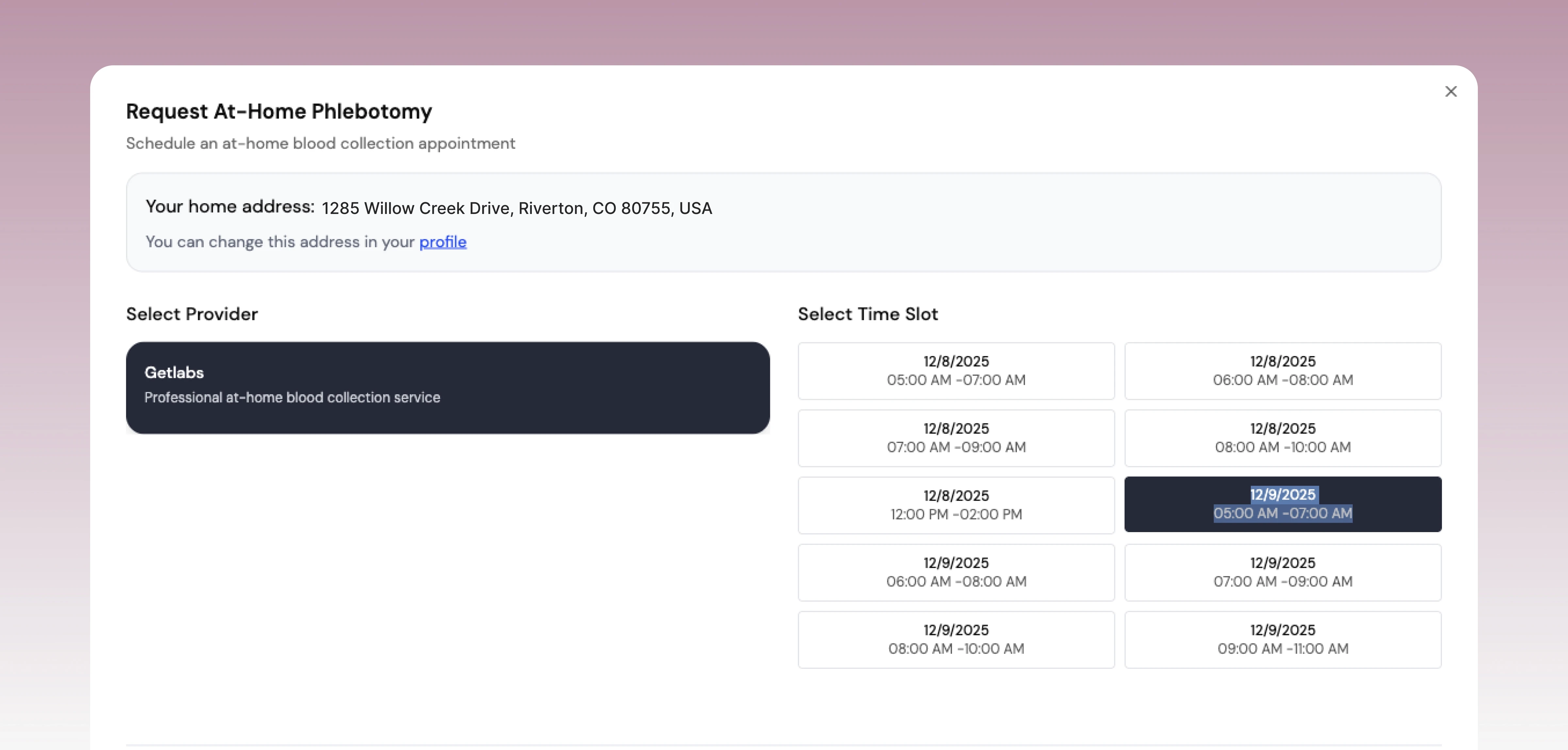
Monitoring and Safety: Before starting, especially if you have a personal or family history of cancer, consulting with an oncologist is crucial due to telomerase's role in cell replication. You can track efficacy through specialized lab work. For a deeper look into relevant biomarkers, you can learn more about blood tests for longevity on outlive.bio, which can help you establish a baseline and monitor progress.
GHK-Cu (Copper Peptide)
Known for its remarkable regenerative properties, GHK-Cu (Glycyl-L-Histidyl-L-Lysine) is a naturally occurring copper peptide complex that declines significantly as we age. Its primary role involves modulating gene expression, possessing potent anti-inflammatory effects, and promoting tissue repair and regeneration. GHK-Cu is often lauded for its powerful skin and hair benefits, but its systemic effects on DNA repair and stem cell function make it a strong contender for the best peptide for longevity. By resetting genes to a more youthful state, it tackles aging from multiple angles.
This peptide works by binding with copper ions and delivering them to cells. This complex influences numerous cellular pathways, including stimulating collagen and elastin synthesis, improving antioxidant defenses, and accelerating wound healing. Research by its discoverer, Dr. Loren Pickart, has shown it can revert gene expression in aged cells to resemble that of younger cells. For instance, dermatological studies frequently report a 30-40% improvement in skin elasticity and firmness, while other applications show success rates of 40-60% in hair regrowth protocols.
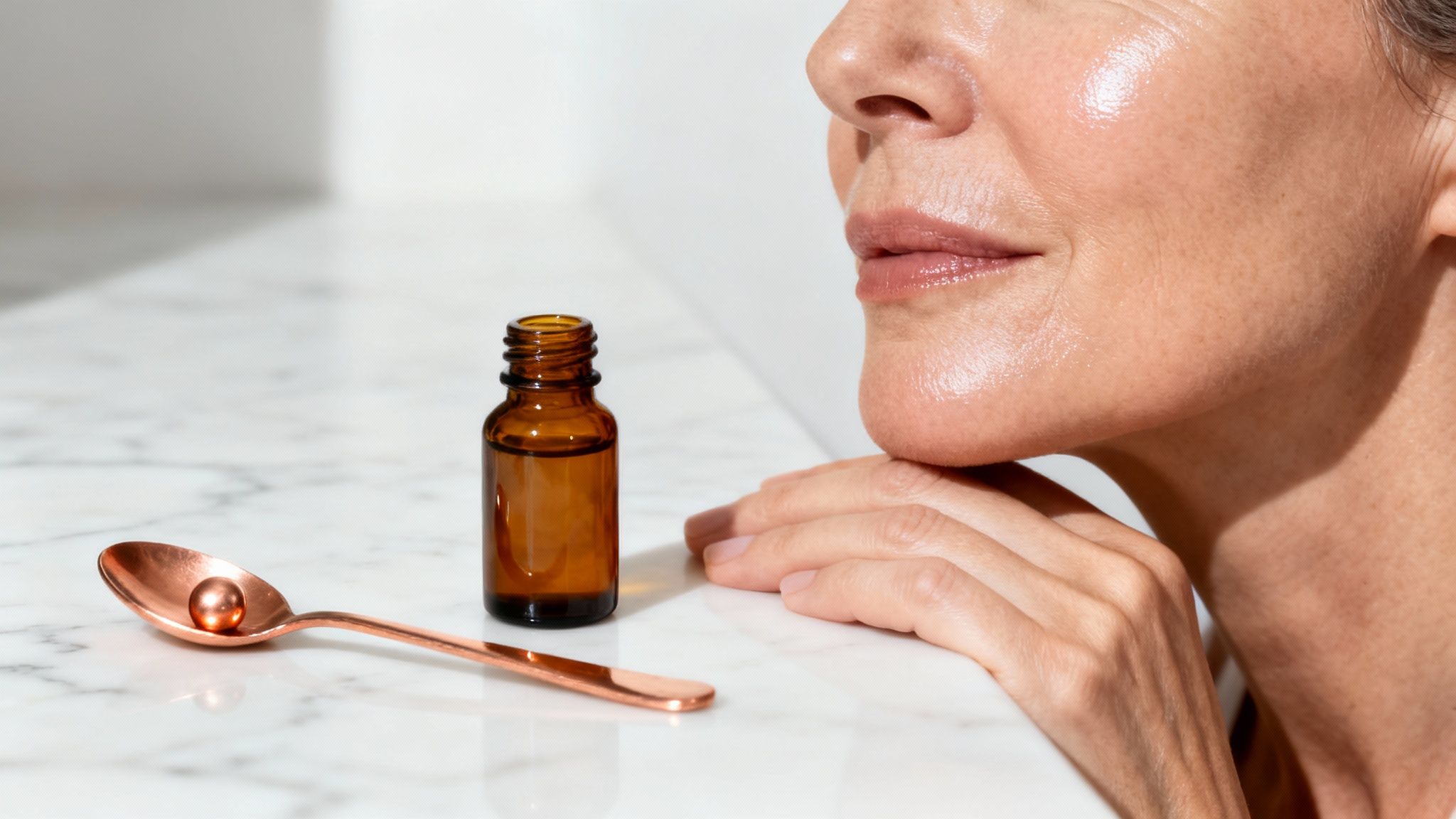
Because it addresses both visible signs of aging and internal cellular health, GHK-Cu is a multifaceted longevity tool. It is particularly popular in high-end cosmetic serums and is used clinically to accelerate post-operative recovery, highlighting its dual cosmetic and therapeutic value. Its ability to support the body’s innate repair mechanisms makes it a foundational peptide for a comprehensive anti-aging strategy.
Practical Implementation & Key Considerations
Integrating GHK-Cu effectively depends on your goals, whether they are localized skin rejuvenation or systemic anti-aging benefits. Both topical and injectable forms are widely used, each with its own protocol.
Topical Application: For skin and hair, apply a GHK-Cu serum to clean skin before moisturizers or other products to maximize absorption. Consistent use for 8-12 weeks is typically needed to see noticeable results in skin texture and hair density.
Synergistic Stacking: Combine topical GHK-Cu with a vitamin C serum in the morning and a retinoid at night for a powerful collagen-boosting regimen. Ensure you apply them at different times to avoid neutralizing their effects.
Systemic Use: For broader anti-inflammatory and regenerative effects, injectable forms can be considered under clinical supervision. This approach is often used for joint health and systemic cellular repair.
Lifestyle Integration: The effects of GHK-Cu are enhanced by a lifestyle that minimizes inflammation and oxidative stress. Pair its use with a nutrient-dense diet rich in antioxidants and consistent sun protection to preserve skin health and amplify the peptide's regenerative actions.
Thymosin Alpha-1 (Tα1)
As we age, a process known as immunosenescence, the gradual deterioration of the immune system, leaves us more vulnerable to infections and chronic diseases. Thymosin Alpha-1 (Tα1), a naturally occurring peptide secreted by the thymus gland, is a master regulator of immune function. The thymus gland shrinks significantly with age (a process called thymic involution), leading to a sharp decline in Tα1 production and a compromised immune response. By reintroducing this peptide, the goal is to restore youthful immune surveillance and resilience.
Tα1 works by enhancing the maturation and function of T-cells, the primary soldiers of our adaptive immune system. It helps differentiate naive T-cells into specialized helper (CD4+) and cytotoxic (CD8+) cells, which are critical for identifying and eliminating pathogens and cancerous cells. Clinical evidence supports its efficacy; studies have shown it can improve immune markers by 30-50% in elderly patients and is used to support immune function in individuals with HIV and those undergoing chemotherapy. For this reason, Tα1 is considered a strong candidate for the best peptide for longevity by fortifying the body's primary defense system.
Practical Implementation & Key Considerations
Integrating Tα1 is primarily about immune optimization, either for proactive defense or to restore balance. In my experience, its benefits are often felt in terms of increased resistance to illness and improved recovery times.
Prophylactic and Restorative Use: Tα1 can be used seasonally, such as during winter months, to bolster defenses against common viruses. It is also used in protocols for chronic conditions like chronic fatigue syndrome to help modulate an imbalanced immune system.
Dosing and Administration: A common protocol involves subcutaneous injections of 1.6 mg administered two to three times per week. Due to its biological nature, it must be refrigerated at 2-8°C to maintain its stability and effectiveness.
Synergistic Stacking: For a more comprehensive immune-support strategy, Tα1 can be stacked with other peptides known for their restorative properties, such as BPC-157, which supports gut health, a cornerstone of the immune system.
Lifestyle Integration: The benefits of Tα1 are magnified when combined with foundational health practices. Prioritizing 7-9 hours of quality sleep per night is crucial, as sleep is when the body performs most of its immune cell production and repair.
Monitoring and Safety: Before starting, it is wise to establish a baseline of your immune status through blood work measuring key markers like CD4, CD8, and Natural Killer (NK) cell counts. This allows you to track progress objectively over several months. As it modulates the immune system, consultation with a knowledgeable physician is essential, especially for individuals with autoimmune conditions.
Body Protection Compound 157 (BPC-157)
While many longevity peptides focus on cellular-level aging mechanisms, Body Protection Compound 157 (BPC-157) offers a different yet equally crucial approach: systemic repair and resilience. This pentadecapeptide, a sequence of 15 amino acids originally isolated from human gastric juice, is renowned for its potent healing and regenerative properties across a wide range of tissues, including muscle, tendon, gut, and even the nervous system. Its longevity benefit comes from its ability to maintain the body's structural integrity and accelerate recovery from the inevitable wear and tear of life.
BPC-157 works by promoting angiogenesis, the formation of new blood vessels, which is critical for delivering oxygen and nutrients to damaged tissues. It also appears to upregulate growth hormone receptors, protect organs, and exert a powerful anti-inflammatory effect. Instead of directly targeting telomeres or cellular senescence, BPC-157 ensures the body's foundational systems remain robust and functional. This makes it a strong candidate for the best peptide for longevity by enhancing the body's intrinsic ability to heal and resist age-related physical decline.
The compound has gained significant attention among athletes for accelerating recovery from injuries and among individuals with chronic gut issues. Research, primarily in animal models, has also shown promising neuroprotective effects, suggesting its utility in recovering from traumatic brain injuries (TBI) and protecting the brain from various insults.
Practical Implementation & Key Considerations
Integrating BPC-157 is often targeted toward specific healing goals or for overall systemic maintenance. Unlike peptides that require very long-term use to see benefits, the effects of BPC-157 on acute injuries can often be noticed within weeks.
Synergistic Stacking: For musculoskeletal and connective tissue repair, BPC-157 is frequently combined with TB-500 (Thymosin Beta-4). This stack is considered a gold standard for healing, as the two peptides work through different but complementary pathways to accelerate tissue regeneration.
Targeted Administration: BPC-157 is available in both injectable and oral forms. Subcutaneous injection near the site of injury is common for localized issues, while oral capsules are preferred for addressing systemic inflammation or gastrointestinal problems.
Lifestyle Integration: To maximize its healing potential, combine BPC-157 use with adequate rest, a nutrient-dense diet rich in protein and micronutrients, and proper physical therapy for injuries. Hydration and stress management are also key supportive factors.
Dosing and Duration: A typical cycle lasts 4 to 8 weeks, with daily dosages ranging from 250-500 mcg. Precise dosing is crucial for both efficacy and safety. For guidance on calculating your dose, you can use this peptide dosage calculator on outlive.bio to ensure accuracy. Always work with a qualified practitioner to determine the right protocol for your needs.
Semorelin (GRF 1-29)
For those targeting age-related decline in vitality and body composition, Sermorelin offers a strategic approach. It is a growth hormone-releasing hormone (GHRH) analog, meaning it stimulates the pituitary gland to produce and secrete the body's own growth hormone (GH). This is a critical distinction from direct GH injections, as it preserves the body's natural hormonal feedback loops, reducing the risk of shutting down endogenous production. Since GH levels plummet as we age, Sermorelin aims to restore them to more youthful levels, which can impact muscle mass, fat distribution, and recovery.
Unlike synthetic GH, Sermorelin promotes a pulsatile release of growth hormone, mimicking the body's natural rhythms, particularly during sleep. This process supports cellular repair, metabolism, and muscle synthesis without overwhelming the system. Studies have shown benefits, including improvements in lean body mass, enhanced sleep quality, and better recovery from exercise. Because it supports the foundational hormone responsible for growth and repair, Sermorelin is a strong candidate for the best peptide for longevity for individuals focused on physical resilience.
Practical Implementation & Key Considerations
Properly using Sermorelin involves precise timing and complementary lifestyle habits to maximize its regenerative effects. The goal is to amplify the body’s natural GH pulses, not to create a constant high level.
Optimal Timing: Administer via subcutaneous injection (typically 200-300 mcg) just before bed. This timing synergizes with the body's largest natural GH pulse, which occurs during deep sleep, enhancing its restorative effects.
Strategic Cycling: To maintain the pituitary gland's sensitivity, many protocols recommend cycling, such as three months on followed by one month off. This helps prevent receptor downregulation and ensures long-term efficacy.
Nutritional Synergy: A high-protein diet is essential. Aim for 1.6-2.2 grams of protein per kilogram of body weight to provide the necessary amino acids for muscle repair and synthesis, which Sermorelin helps facilitate.
Monitoring and Safety: Regular monitoring of IGF-1 (Insulin-like Growth Factor 1) levels every 3-6 months is crucial to ensure you are within a safe and optimal physiological range. Working with a knowledgeable practitioner is key to interpreting these results and adjusting your protocol as needed.
Pineal Gland Peptides (Epithalamin)
Harnessing the power of the body's master clock, pineal gland peptides focus on restoring a fundamental, age-related decline in function. The pineal gland, which produces melatonin, governs our circadian rhythms, and its output naturally wanes as we get older. Epithalamin, a peptide complex originally extracted from bovine pineal glands, is designed to restore this vital function, thereby optimizing melatonin production, strengthening the immune system, and re-synchronizing core longevity pathways.
Pioneered by Russian gerontologist Dr. Vladimir Dilman, Epithalamin's mechanism centers on revitalizing pineal gland cells (pinealocytes). This restoration leads to more youthful patterns of melatonin secretion, which is not just a sleep hormone but a potent antioxidant and a key regulator of the endocrine and immune systems. By re-establishing this natural rhythm, Epithalamin addresses multiple facets of aging simultaneously.
Extensive Russian research has linked its use to significant anti-aging effects, documenting improvements in sleep architecture, enhanced immune markers, and better cardiovascular health. Due to its foundational role in circadian biology, Epithalamin is considered a strong candidate for the best peptide for longevity for those seeking systemic, rhythm-based rejuvenation.
Practical Implementation & Key Considerations
Integrating Epithalamin is about supporting your body’s natural 24-hour clock. Its effects are cumulative and work best when paired with a lifestyle that reinforces healthy circadian rhythms.
Strategic Cycling: A typical protocol involves 10 mg administered via intramuscular injection, often once or twice weekly for a 10-injection cycle. To maintain benefits, practitioners usually recommend repeating this cycle two to three times per year.
Circadian Synergy: Enhance Epithalamin's effects by adopting strict sleep hygiene. This includes creating a completely dark sleeping environment and maintaining a consistent sleep-wake schedule to maximize your natural melatonin production.
Lifestyle Integration: Pair your peptide protocol with circadian-supportive practices. Morning light exposure helps set your internal clock, while practices like meditation can support pineal gland health.
Patience and Monitoring: The benefits, such as deeper sleep and more robust immunity, typically become noticeable after three to six months. You can learn more about how to support your natural sleep cycles at outlive.bio to complement your protocol and track improvements.
Follistatin-344 and Myostatin Inhibitors
While many longevity strategies focus on cellular repair, preserving muscle mass is an equally critical pillar of a long and healthy life. Sarcopenia, the age-related loss of muscle mass and function, is a powerful predictor of disability, metabolic disease, and mortality. Follistatin-344 and other myostatin inhibitors directly combat this decline by promoting muscle growth and strength, making them a unique candidate for the best peptide for longevity by targeting functional healthspan.
Myostatin is a protein that acts as a natural brake on muscle growth. Follistatin-344 is a peptide that binds to and inhibits myostatin, effectively releasing this brake. By blocking myostatin's signaling, Follistatin-344 allows for significant increases in lean muscle mass and strength, even in the context of aging. This is not just about aesthetics; maintaining robust muscle tissue supports metabolic health, enhances bone density, and preserves functional independence.
The potential is highlighted in both clinical and anecdotal settings. Studies in muscle-wasting conditions have shown dramatic improvements in strength, while animal models suggest a link between myostatin inhibition and extended lifespan. This peptide addresses a key aspect of aging: the loss of physical resilience and strength.
Practical Implementation & Key Considerations
Maximizing the benefits of Follistatin-344 requires a holistic approach that pairs the peptide with the right lifestyle stimuli. Its primary function is to unlock growth potential, which must be activated through proper training and nutrition.
Synergistic Stacking: The most crucial stack for Follistatin-344 is progressive resistance training. The peptide creates an anabolic environment, but consistent and challenging workouts provide the necessary stimulus for actual muscle protein synthesis.
Nutritional Support: To build new muscle tissue, you must provide the raw materials. A high protein intake, typically around 1.8 to 2.2 grams per kilogram of body weight, is essential to support the growth enabled by the peptide.
Strategic Dosing and Cycling: A common protocol involves daily subcutaneous injections of 100 mcg. Users often see results within 4 to 8 weeks. Due to its powerful effects, it is often cycled (e.g., 10-30 days on, followed by a break).
Monitoring and Safety: Track progress through body composition analysis (like DEXA scans) and strength performance metrics. Consulting with a knowledgeable physician is crucial to ensure it aligns with your overall health profile and longevity goals.
Dihexa (N4-Valyl-D4) and Cognitive Peptides
Cognitive decline is a defining feature of aging, but emerging neuropeptides offer a powerful tool to preserve neurological function. Peptides like Dihexa directly target the mechanisms of brain health, aiming to enhance neuroplasticity, memory, and overall cognitive resilience. Dihexa is a highly potent synthetic peptide derived from angiotensin IV, engineered to easily cross the blood-brain barrier and stimulate key neurotrophic factors like hepatocyte growth factor (HGF) and its receptor, c-Met. This activation promotes the formation of new synaptic connections, which is the physical basis of learning and memory.

The primary goal of Dihexa and similar cognitive peptides is to counteract age-related neurodegeneration. By promoting nerve growth and protecting existing neurons, these peptides help maintain mental acuity. Animal studies have demonstrated that Dihexa can restore cognitive function after traumatic brain injury and improve learning capacity in aged subjects. This direct support for brain health makes Dihexa a top-tier best peptide for longevity for those prioritizing a long healthspan alongside their lifespan.
Practical Implementation & Key Considerations
Integrating cognitive peptides requires a strategic approach focused on both direct action and creating a supportive environment for brain health. Benefits are not instantaneous and build over weeks of consistent use.
Administration for Brain Health: Intranasal spray is often preferred for Dihexa, as it may provide more direct access to the brain. Subcutaneous injections are another common and effective route.
Cognitive Stacking: For a more comprehensive effect, Dihexa can be stacked with other nootropic peptides like Semax or Cerebrolysin under medical supervision. This creates a multi-faceted approach to enhancing neurotransmission, neuroprotection, and plasticity.
Active Lifestyle Integration: The benefits of Dihexa are amplified when combined with cognitively demanding activities. Learning a new skill or reading complex material can help leverage the peptide-induced increase in neuroplasticity. For a deeper dive into cognitive health, you might also find value in understanding the causes of brain fog and fatigue.
Monitoring and Foundational Health: Track cognitive improvements through journaling or objective cognitive tests. Ensure foundational health is optimized, particularly cardiovascular function for proper brain blood flow and getting adequate sleep, which is critical for memory consolidation.
Top 8 Peptides for Longevity — Comparison
Peptide / Approach | Implementation complexity | Resource requirements | Expected outcomes | Ideal use cases | Key advantages |
|---|---|---|---|---|---|
NAD+ Boosting Peptides (TA‑65, Epitalon) | Moderate — oral/injectable protocols; long-term use | High cost; adjunct NAD+ precursors; testing/medical oversight | Improved mitochondrial function, metabolic markers; subtle telomere effects over months | Metabolic aging, cardiovascular support, cognitive maintenance | Targets cellular aging pathways; sirtuin activation; systemic metabolic benefits |
GHK‑Cu (Copper Peptide) | Low–moderate — topical or injectable; straightforward regimen | Low–moderate cost; cosmetic formulations; consistent application | Visible skin quality improvements, wound healing, localized tissue repair | Skin rejuvenation, scar/wound healing, cosmetic treatments | Well‑researched; good safety profile; strong, affordable skin benefits |
Thymosin Alpha‑1 (Tα1) | Moderate — injectable with refrigeration and schedule | Moderate cost; medical supervision; immune monitoring | Enhanced T‑cell/NK function, improved vaccine responses, fewer infections | Immune restoration in elderly, immunocompromised, peri‑therapy support | Strong clinical evidence for immune restoration; approved formulations exist |
BPC‑157 | Low–moderate — injectable or oral; consistent dosing | Low–moderate cost; limited regulatory oversight; mostly research data | Accelerated tissue repair, reduced inflammation, gut barrier support, neuroprotection | Injury recovery, chronic pain, gut healing, resilience maintenance | Broad tissue‑repair properties; neuro‑ and gut‑protective; affordable |
Semorelin (GRF 1‑29) | Moderate — daily subcutaneous injections; monitoring required | Moderate cost; regular GH/IGF‑1 blood tests; medical oversight | Increased endogenous GH/IGF‑1, improved body composition, better sleep/recovery | Age‑related GH decline, sarcopenia, recovery and performance optimization | Stimulates physiological GH release; safer alternative to exogenous GH |
Epithalamin (Pineal Gland Peptides) | Moderate — injection cycles; longer timelines to effect | Moderate cost; sourcing/import challenges; long‑term courses | Improved sleep/circadian regulation, antioxidant and immune benefits | Circadian dysfunction, sleep optimization, elderly immune support | Targets pineal/circadian mechanisms; extensive Russian clinical data |
Follistatin‑344 / Myostatin inhibitors | Moderate–high — peptide therapy with training and monitoring | High cost; regulatory uncertainty; ongoing administration often needed | Rapid lean mass gains, increased strength, metabolic improvements | Sarcopenia, severe muscle wasting, functional capacity restoration | Potent muscle growth and metabolic benefits; quick observable results |
Dihexa and Cognitive Peptides | Low–moderate — intranasal/subQ; experimental protocols | Low–moderate cost; limited availability; research status | Enhanced NGF signaling, synaptic plasticity, improved learning/memory (preclinical) | Mild cognitive impairment, cognitive enhancement, neuroprotection | Crosses BBB; promotes neuroplasticity and memory pathways |
Integrating Peptides Into Your Personal Longevity Protocol
Navigating the complex landscape of longevity science, we've explored a range of powerful peptide compounds. After reviewing these options, it becomes clear that the search for a single best peptide for longevity is ultimately a misguided quest.
The most effective strategy is not found in a one-size-fits-all solution but in a deeply personalized protocol. The optimal approach depends entirely on your unique biology, specific health goals, and current physiological needs. This is where personal data becomes your most valuable asset.
From General Knowledge to Personal Application
The real work of extending healthspan begins when you shift from chasing the latest trend to implementing systematic, data-driven interventions under professional guidance. Before considering any advanced therapy, your foundational pillars must be unshakeably solid.
Optimized Sleep: Is your sleep architecture robust? Are you getting enough deep and REM sleep?
Nutrient-Dense Diet: Does your nutrition plan support stable blood glucose, low inflammation, and optimal mitochondrial function?
Consistent Exercise: Is your routine balanced, incorporating Zone 2 cardio, strength training, and stability work?
Stress Management: Are you actively managing your physiological and psychological stress to keep cortisol in check?
Peptides are an advanced tool, not a shortcut or a substitute for mastering these fundamentals. They are amplifiers, best used to target specific pathways once the foundational work is consistently in place.
The Power of a Data-Driven Feedback Loop
So, how do you determine if your primary concern is immune senescence, sarcopenia, age-related cognitive decline, or metabolic dysfunction? The answer lies in objective measurement.
This is where integrating data from multiple sources becomes critical:
Comprehensive Blood Labs: Go beyond a standard panel. Look at inflammatory markers (like hs-CRP), hormone levels (IGF-1, testosterone, DHEA-S), metabolic indicators (fasting insulin, HbA1c), and organ health markers.
Wearable Technology: Devices like Oura and Whoop provide 24/7 data on heart rate variability (HRV), sleep quality, and recovery.
Genetic Predispositions: Understanding your genetic blueprint can highlight potential areas of vulnerability, helping you proactively address risks.
When you decide to explore peptides, this data-driven framework becomes non-negotiable. It helps you and your clinician select the most appropriate compound, establish the correct dosing, monitor for efficacy, and ensure safety. My own journey has taught me this firsthand: progress isn't about finding a magic bullet, but about the diligent, iterative process of testing, learning, and adjusting based on hard data. I hope this guide serves as a professional, grounded resource as you continue to build your own robust, evidence-based plan for a longer, healthier, and more vital life.
Ready to move from theory to practice? The team at Outlive Biology specializes in creating personalized, data-driven longevity protocols that integrate advanced diagnostics, expert clinician oversight, and targeted therapies. Stop guessing and start building a precise, actionable health plan by visiting Outlive Biology to learn more.
Live better for longer.
Research-backed tools, tactics, and techniques to maximize your health, delivered to your inbox every Monday.
Because real transformation starts with trust
and trust starts with clarity.
Founding Member Discount
Includes Devices + Labs
Cancel Anytime Before Activation